

Guangzhou A.C.T Products Co.,Ltd To Make The Global Delivery More Efficient
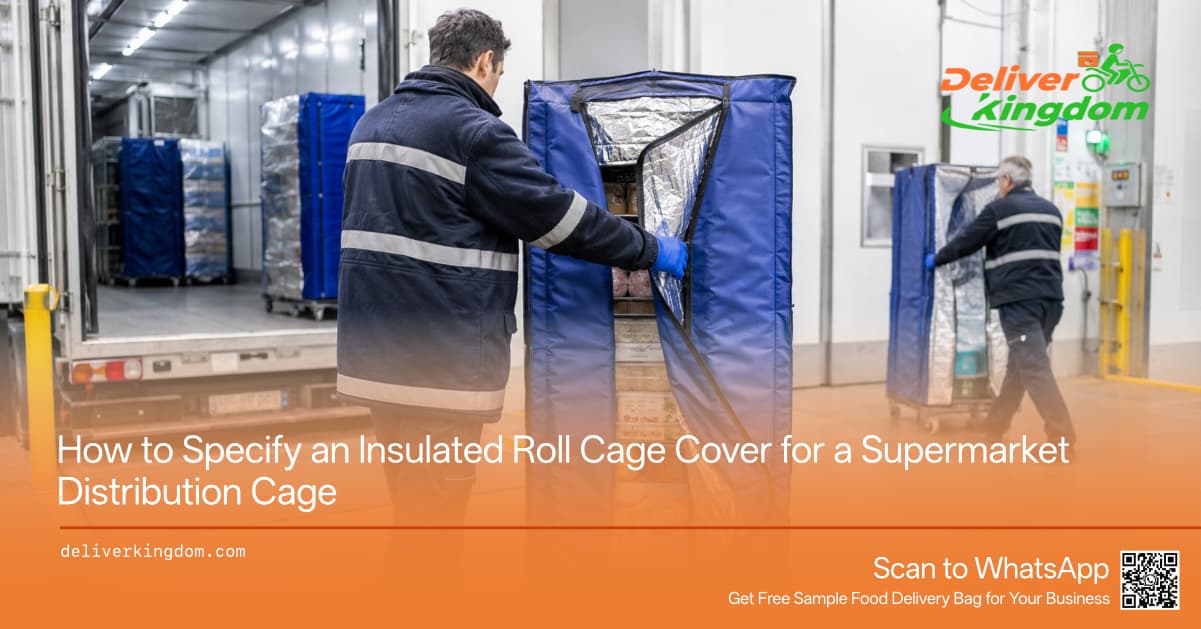
نادراً ما يطلب مركز توزيع تابع لسوبر ماركت غطاءً عازلاً كبيراً بناءً على صور المنتج فقط. قد يبدو الغطاء مناسباً على موقع إلكتروني، لكن الأسئلة الحقيقية تبدأ عند وصوله إلى أرضية المستودع. هل ينزلق فوق قفص النقل دون أن يعلق؟ هل يستطيع العمال فتحه بسرعة وهم يرتدون القفازات؟ هل يتوافق موضع السحاب مع باب القفص؟ هل سيبقى الجزء السفلي محمياً عند مرور القفص فوق منحدرات التحميل، وألواح الرصيف، والأرضيات غير المستوية؟
اتبعت إحدى شركات توزيع السوبر ماركت في جنوب شرق آسيا هذا النهج العملي في استفسار حديث. احتاج المشتري إلى غطاءين معزولين لعربات نقل البضائع لإجراء تجربة تشغيلية قبل التفكير في برنامج شراء أوسع. بلغ عرض كل عربة نقل حوالي 660 مم، وطولها 830 مم، وارتفاعها 1901 مم. ستُستخدم الوحدات التجريبية داخل عملية توزيع الأغذية المبردة الفعلية، بدلاً من عرضها في قاعة اجتماعات حيث يُفترض أن تعمل جميع المنتجات بشكل مثالي.
يُعدّ البدء بعينتين طريقةً منطقيةً لتقييم غطاء قفص الحماية المعزول المصمم خصيصًا. يمكن اختبار وحدة واحدة في ظروف الاستخدام العادية، بينما تُستخدم الثانية للمقارنة أو كنسخة احتياطية أو في ظروف تحميل مختلفة. يستطيع فريق المستودع فحص الملاءمة، وسهولة الاستخدام، والثبات الحراري، والتنظيف، وسهولة الوصول إلى السحاب، وتآكل القماش قبل الموافقة على طلبية أكبر.
يُتيح هذا النوع من التجارب للمصنّع الحصول على ملاحظات قيّمة. قد يُظهر الرسم أبعاد القفص بوضوح، لكن قد يكتشف العمال لاحقًا أن الجزء العلوي يحتاج إلى مساحة أكبر، أو أن الغطاء الأمامي يجب أن يُفتح من جانب آخر، أو أن الحافة السفلية قريبة جدًا من العجلات. تسمح تجربة القطعتين بتصحيح هذه التفاصيل قبل إنتاج مئات أو آلاف الأغطية.
بالنسبة لأغطية الأقفاص الحرارية المستخدمة في توزيع المنتجات في المتاجر الكبرى، فإن اختبار العينات ليس تأخيراً، بل هو جزء لا يتجزأ من عملية تطوير المنتج. ويمكن لبعض التعديلات الدقيقة خلال مرحلة التجربة أن تمنع تكبّد تكاليف باهظة من إنتاج أغطية مطبوعة بشكل جميل ولكنها لا تتناسب مع المعدات بشكل صحيح.
أول سؤال يطرحه العديد من المشترين هو ما إذا كان غطاء قفص الحماية المعزول القياسي مناسبًا لقفص الحماية الموجود لديهم. أحيانًا تكون الإجابة نعم. وأحيانًا يبدو الأمر كذلك حتى يتم وضع الغطاء فوق القفص، حيث يظل الجزء السفلي مرتفعًا بمقدار 40 مم عن القاعدة.
يُعد القفص الذي يبلغ قياسه 660 × 830 × 1901 مم قريبًا من بعض أحجام أقفاص النقل الشائعة، إلا أن ارتفاعه دقيق بما يكفي ليتطلب فحصًا دقيقًا. قد يختلف قفصان، حتى لو وُصفا بنفس الحجم الاسمي، في تصميم الإطار العلوي، وموضع العجلات، والمقابض الخارجية، وبنية المفصلات، وشكل الباب، ومقدار المساحة المتاحة حول الإطار.
لهذا السبب، لا ينبغي لمصنّع أغطية عربات الأقفاص المعزولة أن يضمن ملاءمة الغطاء الجاهز تمامًا دون مراجعة المزيد من المعلومات. قد يتوفر نموذج مرجعي قياسي، ولكن ينبغي على المصنّع مقارنة أبعاده الداخلية النهائية مع الأبعاد الخارجية الفعلية للقفص. كما أن سُمك العزل وطريقة تصنيع اللحامات تُقلّل من المساحة الداخلية القابلة للاستخدام.
يحتاج غطاء قفص الحماية المعزول المصمم خصيصًا عادةً إلى هامش تركيب بسيط. الهامش الضئيل جدًا يجعل تركيب الغطاء وإزالته صعبًا، وقد يعلق في الزوايا أو المفصلات أو القضبان المعدنية. أما الهامش الكبير جدًا فيؤدي إلى ارتخاء القماش، وظهور فجوات هوائية أكبر، ومظهر غير متناسق. كما قد تعلق الزوائد حول العجلات أو تُسحب على الأرض.
لذا، فإن القرار الصحيح ليس مجرد اختيار "قياسي" أو "مُصمّم خصيصًا". السؤال الأهم هو ما إذا كان الغطاء الحالي قد تم التحقق من مطابقته لرسم القفص والصور والتفاصيل الهيكلية الرئيسية. إذا كان التوافق غير مؤكد، فإن عينة مُعدّلة الحجم تُعدّ خيارًا أكثر أمانًا.
بإمكان شركة DeliverKingdom مراجعة أبعاد قفص النقل، وصور المنتج، وموقع الباب، وتصميم العجلات، واتجاه الفتح المطلوب قبل بدء إنتاج العينة. تأسست DeliverKingdom عام 2013، وتدير منشأة إنتاجية تزيد مساحتها عن 12,000 متر مربع في يانغتشون، بمقاطعة غوانغدونغ، ويعمل بها أكثر من 400 عامل لدعم مشاريع التوصيل المعزول والتغليف المبرد.
ليس الهدف هو الادعاء بأن غطاءً قياسياً واحداً يناسب جميع الأقفاص، بل الهدف هو التأكد من أن الغطاء التجريبي فعال بالفعل عند وضعه من قبل موظفي المستودع على المعدات.
يُعد العرض والطول والارتفاع نقطة البداية، لكنها ليست المواصفات الكاملة.
بالنسبة لقفص حماية مُدرج بعرض 660 مم، وطول 830 مم، وارتفاع 1901 مم، ينبغي على المشتري أولاً التأكد من أن هذه هي الأبعاد الخارجية القصوى. في بعض الأحيان، يشمل العرض المذكور السلة المعدنية فقط، بينما تمتد العجلات أو المقابض أو أجزاء المفصلات إلى ما هو أبعد. وفي حالات أخرى، يشمل الارتفاع العجلات، ولكن الغطاء مصمم ليتوقف فوقها. هذا الاختلاف يُغير الطول النهائي للغطاء.
يؤثر تصميم الفتحة أيضًا على المقاس. فإذا كانت اللوحة الأمامية تحتاج إلى فتح السحاب بالكامل ولفها للأعلى، يجب على الشركة المصنعة تحديد بداية ونهاية باب القفص. وإذا احتاج العمال إلى الوصول من جهتين، فقد لا تكفي فتحة أمامية واحدة. وقد يكون تصميم الباب العلوي أو الجانبي أو المنقسم أكثر عملية، وذلك بحسب طريقة تحميل القفص.
يجب أن يسمح غطاء قفص الحماية المعزول والمصمم خصيصًا بسماكة العزل. تشغل المواد متعددة الطبقات مساحة أكبر من غطاء الغبار البسيط. عند تجميع القماش الخارجي والإسفنج والبطانة العاكسة والدرزات والحواف، تصبح الأبعاد الداخلية النهائية أصغر من أبعاد القطع المسطحة. لهذا السبب، قد يؤدي نسخ قياسات القفص مباشرةً في طلب الإنتاج إلى إنشاء غطاء يطابق الأرقام تقنيًا ولكنه ضيق جدًا.
قبل إنتاج عينة، تشمل المعلومات المفيدة صورًا كاملة للقفص، من الأمام والجانب، واتجاه فتح الباب، وموضع العجلات، وشكل الإطار العلوي، وموضع المقبض، وارتفاع التحميل المتوقع. كما يمكن لفيديو قصير للعمال أثناء استخدامهم للقفص أن يكشف المزيد من التفاصيل. فقد يُظهر أن العمال يسحبون القفص بشكل متكرر من جانب واحد، أو يحتاجون إلى الوصول إليه دون إزالة الغطاء بالكامل، أو يدفعون القفص عبر أبواب غرف التبريد الضيقة.
بالنسبة لأغطية الأقفاص الحرارية المستخدمة في توزيع المنتجات في المتاجر الكبرى، تُعدّ هذه التفاصيل التشغيلية أكثر أهمية من الميزات الزخرفية. فالسحاب الموضوع في مكانه الصحيح يُوفّر الوقت في كل دورة تحميل، والحافة السفلية المقاسة بدقة تمنع تلف القماش، والمساحة الكافية تسمح لعامل واحد بتركيب الغطاء دون الحاجة إلى إجباره على الإطار.
تدعم DeliverKingdom تطوير المقاسات المخصصة، وهياكل الفتح، ومواقع السحابات، وتشكيلات الأقمشة، والبطانة الداخلية، وسماكة العزل. يحوّل هذا النهج طلب المقاسات العامة إلى منتج يتناسب مع عملية التوزيع الفعلية، وليس مجرد جدول بيانات.
غالباً ما تنقل مراكز توزيع السوبر ماركت المنتجات المبردة والمجمدة والطازجة والحساسة لدرجة الحرارة عبر عدة مناطق قبل وصولها إلى المتجر. قد تغادر عربة نقل البضائع غرفة تبريد مضبوطة، وتنتظر بالقرب من رصيف التحميل، ثم تدخل مركبة، وتتحرك عبر منطقة استلام البضائع في المتجر، وتبقى مكشوفة أثناء قيام الموظفين بإتمام عملية التفريغ. كل عملية نقل تُعرّض المنتج لتغيرات في درجة الحرارة.
لا يُغني غطاء قفص النقل المعزول عن شاحنة مبردة أو غرفة تبريد. دوره هو تقليل معدل انتقال الحرارة أثناء المناولة والتخزين والنقل. وهذا مفيد بشكل خاص خلال الفترات القصيرة التي يكون فيها القفص خارج بيئة مُتحكم بها، أو عندما تكون هناك حاجة إلى حماية إضافية حول الأحمال المبردة.
يستخدم غطاء قفص النقل الحراري المستخدم في توزيع البضائع في المتاجر الكبرى عادةً عدة طبقات من المواد. يساعد النسيج الخارجي على مقاومة التآكل والغبار والرطوبة والاحتكاك اليومي في المستودع. تعمل طبقة العزل الوسطى على إبطاء انتقال الحرارة. يمكن أن توفر البطانة الداخلية سطحًا عاكسًا أو سهل التنظيف حسب نوع المادة المختارة. يحيط الهيكل بالكامل بالقفص المحمّل مع إمكانية الوصول إليه عبر سحاب أو غطاء.
تتضح أهمية ذلك في منطقة التحميل المزدحمة. قد تنتظر حاوية مبردة ريثما يتم تخصيص عدة مركبات لها. تُفتح أبواب المستودع بشكل متكرر، ويدخل الهواء الخارجي الدافئ إلى منطقة التجهيز. ينقل الموظفون الحاويات بالتتابع، ولكن لا تصل جميع الحاويات إلى المركبة فورًا. يوفر غطاء عازل مناسب طبقة حماية إضافية للمنتجات خلال فترة الانتظار هذه.
لضمان الاستخدام طويل الأمد، يجب أن يظل الغطاء عمليًا. ينبغي أن يتمكن العمال من تركيبه بسهولة ودون إجراءات معقدة. يجب أن تُفتح لوحة الوصول بسرعة. يجب أن تتحمل المادة حركة متكررة عبر الممرات الضيقة. يجب ألا يتدلى الغطاء حول العجلات أو يُعيق توجيه القفص.
يعتمد الأداء الحراري الدقيق على العديد من العوامل، بما في ذلك درجة حرارة بدء تشغيل المنتج، ودرجة الحرارة المحيطة، وكثافة التحميل، وسُمك العزل، وتكرار الفتح، ومدة النقل، وما إذا كانت تُستخدم عبوات تبريد أو طرق تبريد أخرى. لهذا السبب، ينبغي على الشركات المصنعة المسؤولة تجنب تقديم رقم موحد دون فهم ظروف الاختبار.
تتيح تجربة تشغيلية باستخدام غلافين لفريق السوبر ماركت جمع بيانات حقيقية في ظل ظروف التوزيع الخاصة به. هذه البيانات أكثر فائدة من رقم مختبري منسوخ من كيس مختلف، أو مناخ مختلف، أو طريقة تحميل مختلفة.
يمكن لغطاء قفص الحماية أن يحافظ على درجة الحرارة بشكل معقول، ولكنه قد يفشل في العمل إذا لم يتمكن العمال من الوصول إلى المنتجات بسرعة.
ينبغي أن تتوافق طريقة فتح القفص مع طريقة تحميله وتفريغه. يستخدم التصميم الشائع سحابًا أماميًا كامل الارتفاع يسمح بفتح اللوحة الأمامية بينما يبقى باقي الغطاء على القفص. قد يكون هذا التصميم مناسبًا عندما يُفتح باب القفص أيضًا من الأمام. مع ذلك، يجب أن يتطابق موضع السحاب مع هيكل القفص نفسه. فإذا كان السحاب فوق مفصلة أو مزلاج أو قضيب معدني مباشرةً، يصبح الوصول إليه صعبًا.
تُفضّل بعض مراكز التوزيع فتحة بسحاب على شكل حرف U. بينما تحتاج مراكز أخرى إلى سحّابين رأسيين ليتمكن الجزء الأمامي من الطي لأعلى مع تثبيته بإحكام. ويمكن إضافة شريط لاصق لتثبيت الغطاء أثناء التفريغ. وللاستخدام المتكرر، يجب أن يكون سحّاب الحقيبة كبيرًا بما يكفي ليتمكن عمال المستودع من استخدامه بسرعة، حتى عند ارتداء القفازات.
A custom insulated roll cage cover may also require side access. This can be useful when cages are placed closely together and the front cannot be opened fully. In other cases, workers may need a top flap to check products or insert cooling media without opening the entire front panel.
Every additional opening creates a trade-off. More access can improve handling, but it also introduces more seams and potential air gaps. The design should therefore include only the openings that the operation actually needs. Adding five zippers because it looks versatile usually results in a more complicated and expensive cover that nobody enjoys using.
The two-sample trial is the right time to evaluate these details. Workers can time how long it takes to open, unload, close, and move the cage. They can report whether the zipper direction feels natural, whether the flap stays out of the way, and whether any fabric catches on the frame.
As an insulated cage trolley cover manufacturer, DeliverKingdom can adjust the zipper position, flap style, access direction, fastening method, and handle openings according to the cage and warehouse process. OEM and ODM support allows buyers to begin with an existing drawing or develop a new structure from photos and operational requirements.
A good opening system is not the most impressive part of the cover. It is simply the part warehouse staff will use hundreds of times, which is generally a stronger test of value than how elegant the product looks in a catalog.
Material selection should begin with the working environment, not only with the lowest unit price.
A supermarket distribution center exposes an insulated roll cage cover to metal cage edges, concrete floors, loading docks, moisture, food packaging, repeated folding, and frequent cleaning. The cover may be installed and removed several times per day. It may also be compressed during return transport or stored in a busy warehouse where equipment is rarely treated with ceremonial gentleness.
For the outer layer, buyers may consider durable polyester, Oxford fabric, PVC-coated material, or other abrasion-resistant fabrics. The correct choice depends on required flexibility, water resistance, expected service life, cleaning method, and budget. A very thick fabric may offer stronger protection but can make the cover heavier and less convenient to fold.
The insulation layer can be adjusted according to the thermal target and handling requirements. Thicker insulation may slow heat transfer more effectively, but it also increases bulk, packed volume, and product weight. For a thermal roll cage cover for supermarket distribution, the most suitable construction should balance thermal performance with daily handling.
The inner lining should be easy to clean and compatible with the intended products. Reflective foil materials are often selected for thermal applications, while other smooth linings may be preferred for flexibility or repeated wiping. The seams, edge binding, zipper tape, and reinforced areas should also be considered because material quality alone cannot compensate for weak construction.
High-contact areas may need additional reinforcement. These include the top corners, lower edges, zipper ends, lifting points, and sections that rub against cage bars. If the cover will be folded frequently, the material should tolerate repeated bending without cracking or separating.
DeliverKingdom can support fabric customization, insulation structure selection, inner lining choices, zipper specifications, color matching, and dimensional adjustments. The company holds BSCI and ISO9001 certifications and has more than 13 years of insulated bag manufacturing experience.
The sample stage should confirm whether the proposed material feels suitable in real use. Warehouse staff can check whether the cover is too heavy, too stiff, difficult to fold, easy to wipe, or vulnerable around the lower edge. These observations help refine the final custom insulated roll cage cover before mass production.
An operational trial should answer more than one question.
Many buyers test only whether the cover fits the cage. Fit is important, but it is only the first checkpoint. A complete trial should also examine installation time, access speed, movement, thermal performance, cleaning, folding, wear, and staff feedback.
The first test is dimensional fit. The cover should slide over the cage without excessive force. It should not be so loose that large air gaps form around the top and sides. The lower edge should remain clear of wheels and moving parts. Zippers should align with the cage opening, and the cover should not block handles or latches.
The second test is daily handling. Staff should install and remove the cover several times. They should open the access panel while the cage is fully loaded. The warehouse team should move the cage through actual cold rooms, staging zones, loading docks, vehicle ramps, and store receiving areas. This reveals whether the material catches, shifts, or interferes with steering.
The third test is thermal performance. The distribution center can place temperature loggers at selected points inside the loaded cage and compare covered and uncovered conditions. The test should record ambient temperature, product starting temperature, loading density, opening frequency, route time, and any use of cooling media. Without these details, the result is difficult to interpret.
The fourth test is cleaning. Any spills or moisture should be wiped using the normal warehouse procedure. Staff should check whether liquid collects in corners, whether the lining dries properly, and whether repeated wiping affects the material.
The fifth test is durability. Even a short trial can reveal stress around zipper ends, seams, lower corners, and fold lines. Staff feedback is also valuable. A warehouse operator may notice an inconvenient zipper position in thirty seconds that nobody noticed during three weeks of office discussion. Humanity occasionally becomes efficient when given real equipment.
For a custom insulated roll cage cover, the trial results should be documented before bulk approval. Small adjustments can then be made to the dimensions, opening, material, reinforcement, or branding.
This process gives both the buyer and the insulated cage trolley cover manufacturer a clear reference for final production.
A request for two samples usually includes three commercial questions: the unit price, the total cost for two pieces, and the express shipping charge.
The sample price depends on whether an existing suitable cover can be supplied or whether a new custom sample must be produced. A standard reference sample may have a different cost from a size-adjusted sample requiring new cutting, material preparation, and logo setup. If the trial covers are unbranded and use available materials, development may be simpler. A fully customized structure with specific fabric, insulation, zippers, and printing requires more preparation.
For this reason, a supplier should confirm the cage details before quoting. It is not useful to provide an attractive sample price for a product that later turns out to be the wrong size.
Shipping cost also requires actual calculation. An insulated roll cage cover may not be extremely heavy, but its packed dimensions can create significant volumetric weight. Express carriers generally compare actual weight with dimensional weight and charge according to the higher figure. The final freight therefore depends on the folded size, carton dimensions, quantity per carton, destination postal code, courier route, and current carrier rate.
Delivery time should also be separated into sample production time and transport time. If a custom sample must be made, the development period comes before courier transit. Express shipment to Southeast Asia may be relatively fast after dispatch, but exact timing should be confirmed when the package details and courier service are known.
DeliverKingdom’s sales team can calculate the sample price, packed dimensions, express options, and estimated lead time after the required structure is confirmed. DHL, FedEx, UPS, or another available courier may be evaluated according to the destination and shipment conditions.
Sensitive information such as the buyer’s exact address, contact details, freight quotation, and commercial terms should remain inside the direct business conversation. A public article should explain the calculation process, not publish a customer’s logistics data for the internet to admire.
For buyers planning a thermal roll cage cover for supermarket distribution trial, the most useful first step is to send the cage dimensions, photos, required quantity, destination country, and preferred material or application. That allows the supplier to prepare a grounded quotation instead of improvising numbers.
A two-piece operational trial usually focuses on fit and performance. If the trial succeeds, branding and fleet standardization become more important for future orders.
A supermarket group may want the insulated covers to match its distribution identity, store branding, or cold-chain program. DeliverKingdom can support custom logo printing, specified Pantone colors, customized dimensions, opening direction, zipper position, insulation thickness, inner lining, reinforcement, label pockets, and other structural details.
A custom insulated roll cage cover can use a single-color logo for a straightforward warehouse appearance or a more detailed print where the selected fabric allows it. The printing method should be chosen according to the outer material, logo complexity, required durability, and order quantity. The sample stage can include a printed logo, but some buyers prefer to validate the structure first and confirm branding after the operational trial.
Color selection is not only decorative. Different colors may identify chilled, frozen, fresh, or store-specific flows inside a distribution center. A supermarket operator could use one color for cold products and another for ambient products, while maintaining the same cover structure. Clear visual separation can help warehouse staff identify the correct cage more quickly.
Transparent document pockets or label holders may also be added for route sheets, store numbers, temperature records, or handling instructions. Reflective strips can improve visibility in dark loading areas. Numbering or barcode labels may support asset tracking where covers move between distribution centers and stores.
For future bulk orders, the final approved sample becomes the production reference. Dimensions, materials, colors, logo position, zipper structure, and packing method should be recorded clearly. This reduces variation across later batches and makes repeat purchasing easier.
As an insulated cage trolley cover manufacturer, DeliverKingdom supports both OEM production based on an existing specification and ODM development for buyers who need structural recommendations. Its 12,000+ square meter factory and team of more than 400 workers allow the company to support customized and higher-volume projects.
The purpose of customization is not to cover every surface with branding. It is to make the cover fit the equipment, fit the process, and fit the buyer’s distribution system.
A successful trial does not automatically mean the sample should be copied immediately into a large order.
The warehouse team should first summarize what worked and what should change. Perhaps the overall fit was correct, but the front zipper should be moved 30 mm. Maybe the lower edge needs reinforcement because it contacted the cage base. The cover may need an additional label pocket, a different flap fastening method, or a slightly larger top allowance.
These are normal findings. The purpose of the trial is to discover them before mass production.
Once the revisions are confirmed, the buyer and manufacturer can prepare a final specification. This should include finished dimensions, fitting allowance, fabric, insulation, lining, zipper type, opening direction, reinforcement areas, logo size, Pantone color, labeling, packing, and inspection standards.
For a supermarket distribution network, bulk demand may later involve several distribution centers, store formats, or cage types. It is useful to confirm whether every location uses the same 660 × 830 × 1901 mm cage or whether there are regional variations. One cover may fit most equipment, while another size may be needed for a smaller or taller cage.
Repeat-order planning also matters. If the cover becomes part of a national distribution process, the buyer may need replacement units, phased deliveries, or future production using the same approved materials. A clear product specification and retained reference sample help keep later orders consistent.
DeliverKingdom was established in 2013 and has more than 13 years of experience in insulated bag and thermal cover manufacturing. The company operates a factory of more than 12,000 square meters in Yangchun, Guangdong, with over 400 workers, BSCI certification, and ISO9001 quality management. It supports OEM and ODM projects, customized fabrics, dimensions, colors, logo printing, insulation structures, and large-order production.
For buyers searching for a custom insulated roll cage cover, a thermal roll cage cover for supermarket distribution, or an experienced insulated cage trolley cover manufacturer, the most reliable process is straightforward: confirm the cage, make the sample, test it in the real operation, revise the details, and then scale production.
ليس الأمر مثيراً بقدر ما هو وعد بأن غطاءً قياسياً يناسب كل شيء. ولكنه أيضاً أكثر احتمالاً للنجاح.
س: هل يمكن لغطاء قفص الحماية المعزول القياسي أن يناسب قفصًا بأبعاد 660 × 830 × 1901 مم؟
ج: قد يكون ذلك ممكناً، ولكن يجب التحقق من الملاءمة قبل التأكيد. ينبغي على الشركة المصنعة مراجعة أقصى أبعاد القفص الخارجي، وموضع العجلات، والمقابض، والمفصلات، وهيكل الباب، والارتفاع السفلي المطلوب. يُعدّ طلب عينة مُخصصة أكثر أماناً في حال عدم التأكد من الملاءمة.
س: هل تستطيع شركة DeliverKingdom إنتاج عينتين فقط من أغطية أقفاص الحماية المعزولة للاختبار؟
ج: يمكن مناقشة تطوير عينة للاختبار التشغيلي. وتعتمد تكلفة العينة على ما إذا كان هناك حجم مناسب متوفر مسبقًا أو ما إذا كان يجب إنتاج هيكل مخصص. يجب تأكيد السعر النهائي بعد مراجعة تفاصيل القفص ومتطلبات المواد.
س: كيف ينبغي للسوبر ماركت أن يختبر غطاء قفص اللف المعزول؟
أ: ينبغي أن تتناول التجربة مدى ملاءمة المنتج، ووقت تركيبه، وسهولة الوصول إلى السحاب، وحركة القفص، والأداء الحراري، والتنظيف، والطي، وقوة الخياطة، وتآكل الحافة السفلية، وآراء الموظفين. كما ينبغي أن تسجل اختبارات درجة الحرارة ظروف الاستخدام الفعلية وطريقة التحميل.
س: هل يمكن تخصيص أغطية قفص الحماية بشعار ولون محدد؟
ج: نعم. تدعم DeliverKingdom طباعة الشعارات المخصصة، ومطابقة ألوان Pantone، والأبعاد المخصصة، وهياكل الفتح، ومواقع السحابات، وجيوب الملصقات، وسماكة العزل، والبطانة الداخلية، والتقوية للطلبات الكبيرة المستقبلية.
س: كيف يتم حساب تكلفة الشحن السريع لعينتين؟
ج: تعتمد تكلفة الشحن السريع على أبعاد الكرتون المعبأ، والوزن الفعلي، والوزن الحجمي، والوجهة، والرمز البريدي، وأسعار شركات الشحن الحالية. يجب على المورد تأكيد تفاصيل تعبئة العينة النهائية قبل تقديم عرض سعر دقيق من DHL أو FedEx أو UPS أو أي شركة شحن أخرى.

 احصل على عرض أسعار عبر الإنترنت