
Guangzhou A.C.T Products Co.,Ltd To Make The Global Delivery More Efficient
لماذا تحتاج خدمة توصيل الطعام من المطابخ المركزية إلى أكثر من مجرد حقيبة حرارية عادية؟
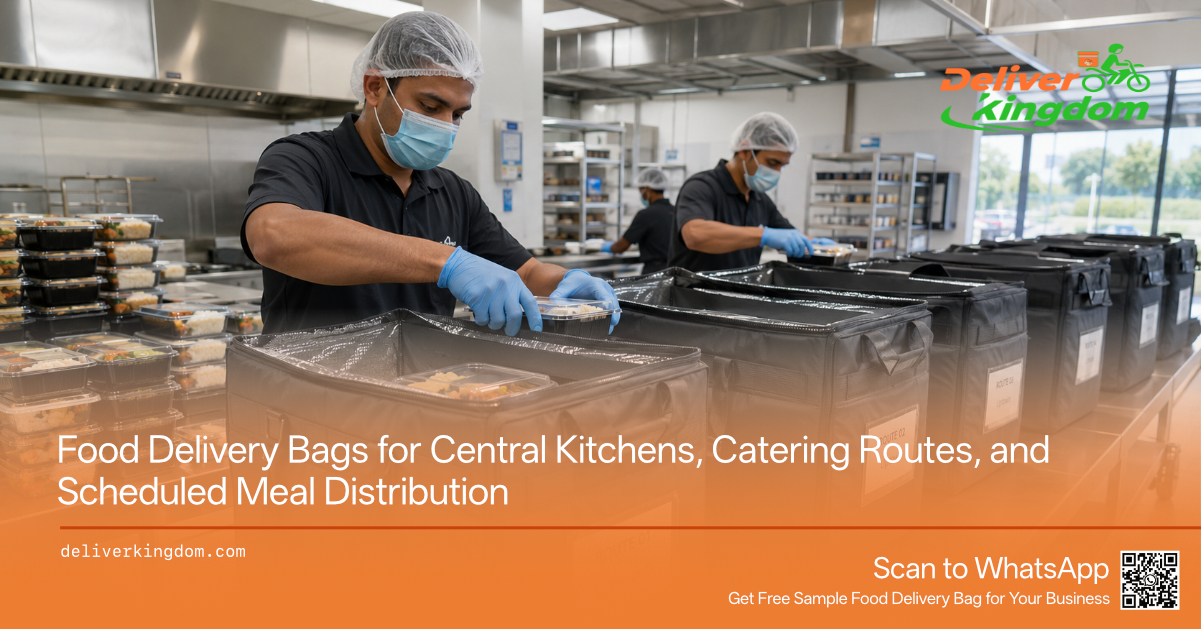
يبدو توصيل الطعام من المطابخ المركزية منظمًا من الخارج، لكن العملية الفعلية غالبًا ما تكون سباقًا مع الزمن. قد تُطهى الوجبات قبل شروق الشمس، وتُعبأ على دفعات، وتُوزع على مسارات مختلفة، وتُحمّل في شاحنات أو دراجات نارية، وتُسلّم إلى المكاتب والمدارس والمستشفيات والمصانع أو منافذ البيع بالتجزئة قبل موعد تقديم محدد. إذا تأخرت إحدى المراحل، يبقى الطعام داخل معدات التوصيل لفترة أطول من المتوقع. وهنا تكمن المشكلة في حقائب التوزيع الحرارية العادية. قد تكون مناسبة لنزهة عائلية، لكنها غير عملية للتحميل والتكديس والنقل والتنظيف والطي وإعادة الاستخدام اليومي. يجب أن تحافظ حقيبة توصيل الطعام المصممة خصيصًا للمطابخ المركزية على درجة الحرارة، وأن تساعد الموظفين في عدّ وفرز ونقل أعداد كبيرة من صناديق الوجبات بكفاءة. تُصنّع شركة DeliverKingdom حقائب توصيل الطعام ومعدات التوصيل منذ عام 2013. تدير الشركة مصنعًا يمتد على مساحة تزيد عن 12,000 متر مربع في يانغتشون، بمقاطعة غوانغدونغ، ويعمل به أكثر من 400 موظف، وهو حاصل على شهادتي BSCI وISO9001. تدعم هذه المؤسسة التصنيعية مجموعات المطاعم وشركات تقديم الطعام ومشغلي توزيع الوجبات ومقدمي الخدمات اللوجستية الغذائية والشركات التجارية التي تحتاج إلى مواصفات قابلة للتكرار بدلاً من حقيبة أخرى تؤدي أداءً جيدًا فقط أثناء عرض العينة.
كيف تؤثر تأخيرات الشحن على درجة حرارة الطعام وجودة الوجبات
يبدأ احتساب وقت التوصيل قبل مغادرة المركبة. قد تنتظر الوجبة المطبوخة على طاولة التعبئة، ثم داخل منطقة الفرز، ثم بجانب باب التحميل، وأخيرًا داخل المركبة. يمكن أن يتحول مسارٌ يُوصف بأنه "30 دقيقة" بسهولة إلى تحدٍّ حراريٍّ لمدة 60 دقيقة عند احتساب جميع فترات الانتظار هذه. يفقد الأرز الساخن بخاره، وتمتص الأطعمة المقلية الرطوبة، وتبرد الصلصات، وتبدأ الأطعمة الباردة في التسخين. تساعد حقيبة توصيل الطعام المعزولة، والمخصصة لمسارات الوجبات المجدولة، على إبطاء هذه العملية من خلال هيكل متعدد الطبقات مصمم خصيصًا لوقت الحفظ الفعلي. يمكن لشركة DeliverKingdom الجمع بين قماش أكسفورد، والبوليستر المطلي بمادة PVC، والقماش المطلي بمادة TPU، ورغوة EPE، وبطانة من رقائق الألومنيوم، وبطانة داخلية من مادة PEVA، وألواح دعم اختيارية وفقًا للمشروع. ليس الهدف هو الادعاء بأن الحقيبة قادرة على التغلب على قوانين الديناميكا الحرارية، لأن التسويق قد ارتكب ما يكفي من الأخطاء. الهدف هو تقليل التبادل الحراري أثناء تأخيرات الإرسال الواقعية. بالنسبة للمطابخ المركزية، وخدمات التموين، وشركات تحضير الوجبات، يمكن أن يؤدي استقرار درجة الحرارة بشكل أفضل إلى تقليل عمليات التسليم المرفوضة، وشكاوى العملاء، وطلبات الاستبدال الطارئة. كما يمنح ذلك مديري عمليات الإرسال قدراً أكبر من التسامح عندما ترفض حركة المرور أو التحميل أو تنسيق المسار التصرف كما وعدت به جداول البيانات.
تنظيم أعداد كبيرة من صناديق الوجبات دون إبطاء عملية التحميل
قد تتمتع حقيبة توصيل الطعام بعزل ممتاز، لكنها قد تُسبب مشاكل تشغيلية إذا لم يُخطط لمساحتها الداخلية بشكل جيد. غالبًا ما تتعامل المطابخ المركزية مع علب غداء مستطيلة، وعلب حساء دائرية، وزجاجات مشروبات، ومجموعات أدوات مائدة، ووثائق مسار التوصيل في آن واحد. عندما تُوضع جميعها في حجرة واحدة مفتوحة، تنزلق العلب أثناء النقل، ويصعب قراءة الملصقات، ويُهدر الموظفون وقتًا في البحث عن الطلب الصحيح في كل محطة. يمكن أن تتضمن حقيبة توصيل الطعام المُصممة خصيصًا للمطابخ المركزية فواصل قابلة للإزالة، وأرففًا أفقية، وقواعد مُدعمة، ونوافذ شفافة لملصقات مسار التوصيل، وجيوبًا جانبية، وألواحًا مُرمزة بالألوان. تُساعد هذه التفاصيل فرق التحميل على تنظيم الوجبات حسب الوجهة، أو القسم، أو رقم المسار، أو وقت التقديم. على سبيل المثال، قد يستخدم مُشغل وجبات في مستشفى ألوانًا مختلفة للحقائب للمباني المختلفة. وقد تستخدم شركة تموين في مصنع حوامل ملصقات لتحديد نوبات العمل الصباحية والمسائية. وقد تحتاج شركة تحضير وجبات إلى طبقات داخلية قابلة للتكديس لمنع سحق العلب الأخف وزنًا. الميزة العملية هي تحميل أسرع وأخطاء أقل. أما الفائدة التجارية فتظهر لاحقًا في تقليل أوقات التوقف، وتحسين عمليات التسليم، وتقليل المكالمات التي تسأل عن سبب وصول عشرين وجبة غداء إلى مكتب الاستقبال الخطأ. يبدو أن الملصقات والفواصل لا تزال أرخص من الارتباك البشري.
حقائب معزولة لتوصيل وجبات الطعام في المكاتب والمدارس والمستشفيات وفقًا لجدول زمني محدد
يختلف توزيع الوجبات المجدولة عن خدمة توصيل المطاعم عند الطلب. فغالبًا ما يكون وقت الاستلام محددًا، وعدد الوجبات معروف مسبقًا، وقد تؤثر عواقب التأخير على مجموعة بأكملها. فإذا تأخر وصول وجبة غداء مدرسية، قد ينتظرها مئات الطلاب. وإذا اختلطت وجبات المستشفى بين الأقسام، يجب على الموظفين التوقف عن أعمالهم الأخرى لتصحيح عملية التوصيل. وإذا وصلت وجبات الطعام المكتبية إلى المبنى بعد بدء استراحة الغداء، يتذكر العميل التأخير بوضوح أكبر من قائمة الطعام. لذلك، يجب أن توفر حقيبة توصيل الطعام المعزولة للمسارات المجدولة الحماية الحرارية وتنظيم المسار. بإمكان DeliverKingdom تخصيص سعة الحقيبة، واتجاه فتحها، وطريقة حملها، وسماكة العزل، وموضع الملصق، وطول المقبض، والهيكل الداخلي. قد تكون الحقائب الكبيرة ذات الفتحة العلوية مناسبة للتوصيل بالشاحنات، بينما قد تكون الحقائب الصغيرة المقسمة أفضل لنقل الوجبات من منطقة التحميل إلى مبانٍ منفصلة. تتطلب بعض المشاريع أحزمة كتف، بينما تحتاج مشاريع أخرى إلى مقابض جانبية معززة لرفعها من قبل شخصين. من خلال تصميم حقيبة توصيل الطعام بما يتناسب مع المسار بدلًا من اختيار حجم عشوائي من الكتالوج، يمكن للمشترين تقليل صعوبة التعامل معها وتحسين اتساق التوصيل عبر الجداول اليومية.
مواد مقاومة للماء وسهلة التنظيف للتوزيع اليومي المتكرر
تُعاد استخدام أكياس المطبخ المركزي بشكل متكرر، مما يجعل كفاءة التنظيف لا تقل أهمية عن العزل. قد يتسرب الحساء، وقد يتجمع الزيت قرب الدرزات، وقد يتكاثف البخار حول المنتجات المبردة. قد توضع الأكياس على أرضيات التحميل الرطبة، أو منصات المركبات، أو نقاط التسليم الخارجية. إذا امتصت المادة الرطوبة والروائح، تصبح الحقيبة غير مريحة بسرعة، وقد تحتاج إلى استبدالها قبل أن يتلف هيكلها الخارجي. تُنتج DeliverKingdom أكياس توصيل الطعام بأقمشة خارجية مقاومة للماء، وبطانة من مادة PEVA، وبطانة من رقائق الألومنيوم، وبوليستر مطلي، وسحابات مغطاة، وألواح داخلية قابلة للإزالة، وخياطة معززة. تُساعد هذه المواد الموظفين على مسح الجزء الداخلي بعد كل رحلة، وتجهيز الكيس للشحنة التالية. يجب على موردي أكياس توصيل الطعام بالجملة لشركات توزيع الوجبات مراعاة إجراءات التنظيف قبل بدء الإنتاج. يستخدم بعض المشترين المسح اليدوي بعد كل رحلة، بينما يُشغّل آخرون منطقة غسيل أو تعقيم مركزية. يجب أن تتناسب البطانة، وألواح الدعم، والأقفال، والأجزاء القابلة للإزالة مع هذه الإجراءات. الكيس الذي يصعب تنظيفه سيُنظف بشكل سيئ في النهاية، لأن البشر يميلون إلى تجنب الإجراءات غير المريحة.
هياكل قابلة للطي تقلل من ضغط التخزين ورحلة العودة
تُشكّل حقائب التوصيل الكبيرة مشكلة أخرى بعد توصيل الوجبات: فهي لا تزال تشغل حيزًا. قد تغادر شاحنة المطبخ المركزي مُحمّلة بحقائب الوجبات وتعود بنفس العدد من الحاويات الفارغة، ما يعني أنها تشغل نفس الحجم تقريبًا. في المركبات الأصغر حجمًا، قد تُقلّل الحقائب الصلبة من سعة المسار وتجعل عمليات الإرجاع مُرهقة بلا داعٍ. تُقدّم هياكل حقائب توصيل الطعام القابلة للطي بديلاً أكثر عملية. يُمكن لشركة DeliverKingdom استخدام ألواح دعم قابلة للإزالة، ووصلات فيلكرو، وسحّاب، وألواح جانبية مرنة، وخطوط طي مُعزّزة، بحيث يُمكن تسطيح الحقائب عند إفراغها. يُساعد هذا في تقليل ضغط التخزين في المطابخ المركزية، ومنافذ الامتياز، ومستودعات التموين، ومركبات التوزيع. يُمكن لحقيبة توصيل الطعام المعزولة، المُخصصة لمسارات الوجبات المُجدولة، الحفاظ على شكلها المُهيكل أثناء الاستخدام، مع إمكانية طيها بعد انتهاء المسار. قد تُساعد التعبئة القابلة للطي أيضًا المشترين الدوليين على تقليل حجم الشحن للطلبات الكبيرة، وذلك اعتمادًا على الهيكل النهائي ومجموعة المواد. لا تكمن القيمة في مجرد طي الحقيبة، بل في أن الشركة تحتاج إلى مساحة تخزين أقل، ويُمكن للسائقين العودة بمساحة أكبر، ولا تشغل المخزونات الموسمية غير المُستخدمة نصف المخزن كشاهد صامت على الإفراط في الطلب.
حقائب توصيل طعام مخصصة للمطابخ المركزية وشركات تقديم الطعام
غالبًا ما تحتاج المطابخ المركزية وشركات تقديم الطعام إلى معدات تتناسب مع عبواتها الحالية، ورفوف التوصيل، ومركباتها، ومعايير علامتها التجارية. قد تكون الحقيبة القياسية ضيقة جدًا بالنسبة لصناديق الوجبات، أو طويلة جدًا بالنسبة لرف المركبة، أو ضعيفة جدًا لتحمل التحميل المتكرر. توفر DeliverKingdom خدمات تصنيع المعدات الأصلية (OEM) وتصميمها (ODM) لحقائب توصيل الطعام المخصصة للمطابخ المركزية، بما في ذلك اختيار القماش، والأبعاد، والسعة، وسماكة العزل، والفواصل الداخلية، وطريقة الفتح، وتقوية القاعدة، والمقابض، وأحزمة الكتف، وحوامل الملصقات، والتفاصيل العاكسة، وطباعة الشعار. يمكن تخصيص اللون وفقًا لمتطلبات العلامة التجارية، بما في ذلك مراجع Pantone عند الضرورة. تشمل خيارات الشعار الطباعة الحريرية، والطباعة الحرارية، والتطريز، والملصقات المنسوجة، والطباعة العاكسة، ورقع PVC. يمكن لشركات تقديم الطعام أيضًا استخدام ألوان مختلفة لفصل الوجبات الساخنة، والأطعمة الباردة، والمشروبات، والأنظمة الغذائية الخاصة، أو مسارات التوصيل. هذا يجعل المعدات جزءًا من نظام التشغيل بدلًا من كونها ملحقًا عامًا. بالنسبة لمجموعات المطاعم وشركات تقديم الطعام التي تتوسع في مدن جديدة، يمكن تكرار مواصفات الحقيبة المعتمدة للطلبات المستقبلية. وهذا يعني تقليل البدائل المحلية، وتقليل الألوان غير المتطابقة، وتقليل عدد مديري الفروع الذين يشترون شيئًا مشابهًا بشكل غامض من أي مورد يجيب أولاً.
توريد بالجملة لشركات توزيع الوجبات ومشغلي الخدمات اللوجستية الغذائية
يحتاج المشترون بكميات كبيرة إلى أكثر من مجرد عينة مقنعة. فهم بحاجة إلى اتساق المواد، وثبات المقاسات، وإمكانية تكرار وضع الشعار، وخياطة مضبوطة، وتغليف موثوق، والقدرة على إعادة طلب المنتج نفسه بعد أشهر. يجب على موردي أكياس توصيل الطعام بالجملة لشركات توزيع الوجبات إدارة الفجوة بين الموافقة على العينة والإنتاج الضخم، حيث تظهر العديد من مشاكل التوريد. يمتد مصنع DeliverKingdom في يانغتشون على مساحة تزيد عن 12,000 متر مربع ويعمل به أكثر من 400 شخص. يدعم نظام الإنتاج تحضير المواد، والقص، والخياطة، والتجميع، وفحص الجودة، والتعبئة، والشحن للتصدير للمشاريع التجارية. توفر شهادتا BSCI وISO9001 مراجع إضافية للمصنع وإدارة الجودة للمشترين الدوليين. تتعاون DeliverKingdom مع سلاسل المطاعم، والمطابخ المركزية، ومقدمي الخدمات اللوجستية الغذائية، وشركات التموين، ومشغلي سلسلة التبريد، والشركات التجارية التي تتطلب طلبات كبيرة أو توريدًا متكررًا. يمكن للمشترين التأكد من المادة، والحجم، واللون، والشعار، وهيكل العزل، وطريقة التعبئة من خلال تطوير عينة قبل الإنتاج الضخم. الميزة الحقيقية لا تكمن فقط في شراء كميات كبيرة من الأكياس. إنها تقوم ببناء مواصفات يمكن إعادة إنتاجها دون تحويل كل طلبية جديدة إلى تحقيق أثري جديد.
لماذا تدعم DeliverKingdom مشاريع معدات التوصيل المصنعة من قبل الشركات المصنعة الأصلية (OEM) ومشاريع التصميم والتصنيع الأصلي (ODM)؟
تتنوع أنظمة توزيع الطعام بشكل كبير. قد يقوم مطبخ مركزي واحد بتوصيل 300 علبة غداء إلى المكاتب المجاورة، بينما يقوم مطبخ آخر بتوزيع آلاف الوجبات المدرسية على عدة مناطق. قد تستخدم شركة تموين سيارات نقل، بينما تعتمد خدمة تحضير الوجبات على الدراجات النارية والسكوترات. قد يحتاج مشغل سلسلة التبريد إلى عزل أكثر سمكًا، بينما يُفضل مُزود وجبات الغداء المحلي التصميم خفيف الوزن وسرعة التعبئة. تدعم DeliverKingdom مشاريع تصنيع المعدات الأصلية (OEM) وتصميمها (ODM) لأن حقيبة توصيل طعام قياسية واحدة لا تُناسب جميع هذه التطبيقات. يُمكن للمشترين تخصيص القماش الخارجي، والبطانة الداخلية، ومادة العزل، والأبعاد، والسعة، واللون، والشعار، وتصميم الفواصل، ونوع الإغلاق، وموضع المقبض، وأحزمة الكتف، وملصقات المسار، والتفاصيل العاكسة، والهيكل القابل للطي. قد تُعطي حقيبة توصيل الطعام المُخصصة للمطابخ المركزية الأولوية للتكديس والفرز. قد تُركز حقيبة توصيل الطعام المعزولة لمسارات الوجبات المُجدولة على مدة الحفظ وسرعة التسليم. يجب على مُورد حقائب توصيل الطعام بالجملة لشركات توزيع الوجبات مراعاة تغليف الشحنات وطلبات الشراء المُتكررة في المستقبل. تساعد خبرة DeliverKingdom منذ عام 2013 في تحويل هذه الاحتياجات التشغيلية إلى مواصفات منتج أكثر وضوحًا قبل بدء الإنتاج، بدلاً من اكتشاف المشاكل بعد وصول عدة آلاف من الأكياس إلى المستودع.
بناء نظام توزيع وجبات أكثر موثوقية من العينات إلى الطلبات بالجملة
A successful food delivery bag project starts with accurate operating information. Buyers should define the food type, packaging dimensions, number of meal boxes per bag, average holding time, vehicle type, route length, number of daily uses, cleaning method, required branding, and expected order quantity. These details help determine the right fabric, insulation thickness, internal structure, closure system, handles, support boards, and packing method. DeliverKingdom can then develop a sample for testing in the real distribution environment. The buyer can load actual meal boxes, check the fit inside the vehicle, test carrying comfort, review logo size, and assess how the bag performs during cleaning and repeated use. After the sample is approved, the same specification can move into larger production. Whether the project requires a custom food delivery bag for central kitchens, an insulated catering delivery bag for scheduled meal routes, or support from a bulk food delivery bag supplier for meal distribution companies, DeliverKingdom provides material customization, size customization, color matching, logo printing, OEM and ODM development, and bulk-order support. The clearest next step is to send the required dimensions, quantity, application, logo artwork, and delivery conditions for a more accurate quotation and sample plan.
Q: Can DeliverKingdom customize food delivery bags for central kitchens?
A: Yes. DeliverKingdom can develop a custom food delivery bag for central kitchens based on meal box size, number of boxes, delivery route, vehicle type, required insulation, cleaning method, brand color, and logo requirements. Internal dividers, support boards, route labels, handles, and foldable structures can also be customized.
Q: Are the bags suitable for office, school, and hospital meal delivery?
A: Yes. An insulated catering delivery bag for scheduled meal routes can be designed for office catering, school lunches, hospital meal distribution, factory meals, central kitchen dispatch, and other fixed-time food delivery operations. The structure can be adjusted for different capacities and handling methods.
Q: What materials are available for food delivery bags?
A: Material options may include Oxford fabric, PVC-coated polyester, TPU-coated fabric, EPE foam, aluminum foil lining, PEVA lining, reinforced webbing, waterproof zippers, reflective materials, and removable support panels. The final material combination depends on delivery time, food type, climate, cleaning routine, and budget.
Q: Can DeliverKingdom support large and repeat orders?
ج: نعم. تعمل شركة DeliverKingdom كمورد لأكياس توصيل الطعام بالجملة لشركات توزيع الوجبات، والمطابخ المركزية، ومشغلي خدمات الطعام، وسلاسل المطاعم، وشركات الخدمات اللوجستية الغذائية، والشركات التجارية. يمتد المصنع على مساحة تزيد عن 12000 متر مربع ويعمل به أكثر من 400 موظف، مما يدعم الإنتاج التجاري وتلبية الطلبات المتكررة.
س: ما هي التفاصيل المطلوبة للحصول على عرض سعر؟
ج: يجب على المشترين تقديم الأبعاد المطلوبة والكمية وحجم صندوق الوجبات وعدد الصناديق في الكيس ونوع الطعام ومتوسط وقت التسليم ونوع المركبة والمادة المفضلة واللون وتصميم الشعار والمتطلبات الخاصة مثل الفواصل والألواح السفلية المقواة ونوافذ ملصق المسار والقماش المقاوم للماء أو التصميم القابل للطي.

 احصل على عرض أسعار عبر الإنترنت